
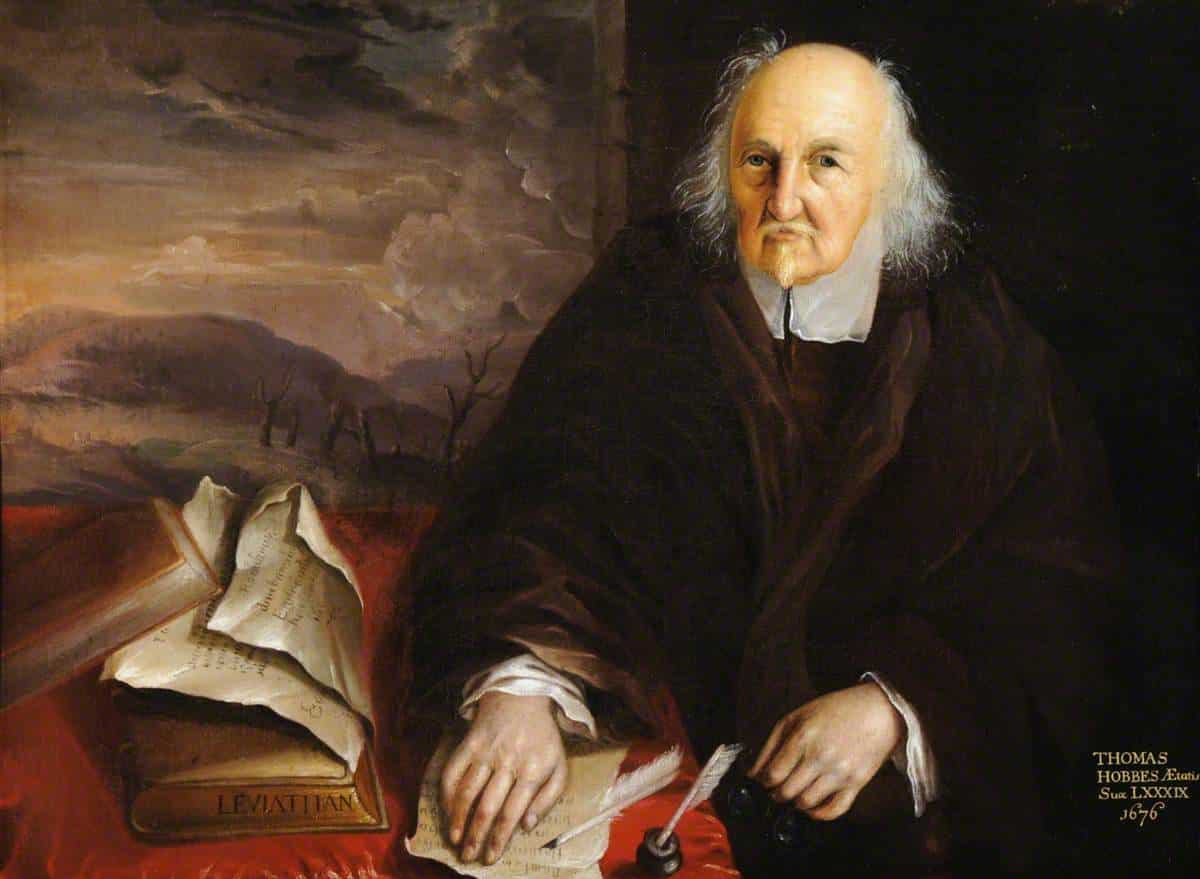
Are Humans Naturally Good or Evil? The Shocking Truth from Hobbes vs Rousseau That Changes Everything
Have you ever wondered: deep down, are humans naturally good or evil? This explosive question—”are humans naturally good or evil“—has fueled endless arguments, inspired revolutions, and still sparks heated debates in 2026. Philosophers have clashed over it for centuries, but no two thinkers hit harder than Thomas Hobbes and Jean-Jacques Rousseau—one warning we’re savage beasts who need iron control, the other insisting we’re born pure but get corrupted by the very society we build.
In this deep-dive pillar content article on are humans naturally good or evil, we’ll unpack their radical ideas with vivid examples, iconic quotes, and a balanced modern take. You’ll walk away understanding why the answer isn’t black-and-white—and why it hits harder in our unequal, social-media-driven world.

Thomas Hobbes: Humans Are Naturally Selfish and Brutal
Thomas Hobbes, in his groundbreaking 1651 book Leviathan, dropped one of philosophy’s most famous lines: life in the “state of nature” (no government, no laws) is “solitary, poor, nasty, brutish, and short.”
Hobbes didn’t call us outright “evil” in a cartoon-villain way—he said we’re naturally self-interested. We chase survival, power, and status. Without rules, fear vanishes, and chaos erupts.
Imagine no police, no courts, no society. You spot food or a partner—do you share or fight? Hobbes says fight. His classic example: everyone has a “right to everything,” so constant war follows. “Force and fraud are in war the two cardinal virtues,” he wrote.
Real-world vibe: Think post-apocalypse movies or real collapses like failed states—looting, violence, survival mode. Hobbes argued we only act “good” because society scares us straight with laws and punishment.
His fix? A powerful sovereign (almost absolute ruler) to enforce order. Only strong government saves us from ourselves.


Jean-Jacques Rousseau: Humans Are Born Good, Society Ruins Us
Rousseau flipped the script completely. In his 1755 Discourse on the Origin of Inequality, he claimed humans in nature are peaceful, simple, and compassionate— the famous “noble savage.”
Early man? Wake up, grab fruit, nap in shade, mate when needed. No greed, no envy—just basic needs met. “Man is born free, and everywhere he is in chains,” he famously said.
The villain? Civilization. The turning point: “The first man who, having enclosed a piece of ground, bethought himself of saying This is mine, and found people simple enough to believe him, was the real founder of civil society.“
Private property sparked inequality. Rich vs poor → competition → envy → greed → conflict → laws (made by the powerful to protect their stuff). Society invents fake needs: status, fame, luxury. Instagram likes, bigger cars, endless comparison—Rousseau would hate it all.
He said natural man has self-preservation and pity (compassion). Society twists that into selfishness.

Hobbes vs Rousseau: Head-to-Head Comparison
| Aspect | Hobbes (1651) | Rousseau (1755) |
|---|---|---|
| Human Nature | Selfish, competitive, conflict-prone | Innocent, compassionate, content |
| State of Nature | War of all against all; nasty & short | Peaceful solitude; harmony with nature |
| Cause of Evil | No strong government | Civilization, property, inequality |
| Solution | Absolute sovereign + strict laws | Return to natural virtues (or just society) |
| Famous Quote | “Solitary, poor, nasty, brutish, and short” | “This is mine” = start of inequality |
Both agree society shapes us—but Hobbes says it tames the beast; Rousseau says it creates the beast.
My Take: The Real Answer Is… It Depends
After digging into both (and seeing modern psychology, anthropology, and everyday life), I land here: Humans aren’t fixed as good or evil. We’re adaptable chameleons.
Hobbes was right about chaos without rules—look at riots, war zones, or even Black Friday stampedes. Fear of punishment keeps most of us in line.
Rousseau nailed how modern life breeds misery: inequality, social media envy, consumerism. Studies show hunter-gatherer societies were more egalitarian and less stressed than ours.

But neither is 100% correct. Biology gives us empathy (mirror neurons, oxytocin) and aggression (fight-or-flight). Environment decides which wins.
Bottom line: Are humans naturally good or evil? Neither. We’re capable of both. Circumstances, culture, love, fear—all flip the switch.
What do you think? Hobbes’s tough realism or Rousseau’s hopeful idealism? Drop your thoughts in the comments—let’s debate!